Why Cabinet Refacing is More Sustainable Than Replacement

Cabinet Refacing is more sustainable than replacement because it saves energy and materials. It also reduces the need for transportation, which contributes to carbon emissions and global warming.

Refacing keeps your existing cabinet framework and hardware in place, while adding new veneer surfaces and hardware. Using eco-friendly materials, like low-VOC paints and coatings, minimizes indoor air pollution and energy consumption.

Recycled Materials

Cabinet Refacing

Home remodeling projects produce a significant amount of waste materials, and cabinet refacing helps reduce the overall impact. By keeping existing cabinet boxes and refacing them, you can minimize the amount of new materials needed for your kitchen upgrade. This reduces the need for raw material production and cuts down on energy consumption and greenhouse gas emissions associated with manufacturing and transportation.

When it comes to the cabinet refacing materials you use, choose sustainable options that offer beauty and durability. Sustainable woods like bamboo and reclaimed lumber can add a modern look to your space while helping conserve natural resources. Recycled metals also provide a durable and stylish option, without the need for raw materials to be extracted from the earth.

You can also support sustainability by using low-VOC paints and stains. Traditional paints and finishes often contain volatile organic compounds, which off-gas into your living space and harm the environment during production and disposal. Look for low-VOC and zero-VOC products to minimize your environmental impact and ensure a healthier indoor space for your family.

Another way to make your cabinet refacing eco-friendly is to opt for reclaimed cabinets. These are sourced from old barns, factories, and other furniture pieces, reducing the need for new wood to be harvested from forests and cutting down on deforestation. Look for reclaimed wood that is certified by the Forest Stewardship Council to be sure it was sustainably sourced.

Incorporating eco-friendly features like LED lighting into your kitchen is an easy way to improve your home’s energy efficiency and lower your electricity bills. This simple change can reduce your household’s energy consumption by up to 25% and save you money on your utility bills every month.

Choosing eco-friendly cabinet refacing is an excellent opportunity to show your family and friends that you care about the environment and want to support a more sustainable future. By making a few simple changes, you can transform your kitchen into a beautiful and functional space that supports sustainable living for generations to come. Contact us to learn more about how our cabinet refacing services can help you update your home’s interior with a modern look that is both stylish and sustainable.

Energy Efficiency

Cabinet refacing uses the existing frame of your cabinets to provide a fresh new look while conserving natural resources. Unlike full replacement, which requires the demolition of existing cabinets and installation of brand-new boxes, doors, and drawer fronts, cabinet refacing simply applies a thin veneer over the face frames of your cabinets, leaving the interior storage intact. This means far less waste goes to landfills, reducing your kitchen’s environmental impact.

Cabinet replacement requires the creation of new box frames, doors, and drawer fronts, requiring substantial amounts of raw materials. The fabrication process requires energy and fuel to make these materials, which produces greenhouse gases, contributing to global warming. Then, these materials need to be transported, which further contributes to carbon emissions and exacerbates environmental issues. By choosing refacing over replacement, you’ll help minimize these issues by reducing the amount of new materials needed and cutting transportation emissions.

In addition to reducing the need for new materials, refacing conserves natural resources and helps reduce your kitchen’s energy consumption. The cabinet refacing process typically takes just days to complete, compared to the weeks or months required for a total cabinet replacement project. This quick remodel will not only reduce your remodeling costs but also your energy use, lowering your kitchen’s overall energy footprint.

If you’re refacing your cabinets, consider upgrading to eco-friendly hardware, such as handles and knobs made from recycled metal or other sustainable materials. You can even use reclaimed wood in your project, such as repurposed barn boards or salvaged timber, to add character and sustainability to your design. Choose low- or no-VOC paints and finishes to minimize off-gassing and improve your home’s indoor air quality.

Another way to boost your kitchen’s green credentials is to invest in energy-efficient lighting and other appliances. LED lights consume far less energy than traditional incandescent bulbs and can significantly reduce your household’s electricity bills. You can also opt for energy-efficient door and drawer fronts that optimize temperature regulation in your home, helping you save on heating and cooling costs.

Environmentally Friendly

Cabinet refacing allows homeowners to refresh the look of their kitchen without having to completely tear down and replace existing cabinets. This means fewer new materials are used, which reduces the impact on our environment by decreasing construction waste and energy consumption. Additionally, refacing keeps usable materials out of landfills and reduces the need for transportation of raw materials.

The manufacturing of new cabinets is resource-intensive, requiring the extraction of wood and minerals that contribute to deforestation and natural resource depletion. Refacing cabinets preserves the underlying structure of the cabinet box while updating the exterior with new veneer surfaces and hardware. This helps reduce the environmental impact of cabinet replacement and extends the life of the cabinets to reduce future impacts.

Additionally, refacing minimizes chemical emissions by not having to strip out existing cabinets or use new adhesives or finishes. This helps protect indoor air quality and is especially beneficial for families with children or elderly relatives. In contrast, ripping out old cabinets can create significant dust and dirt that can be hazardous to respiratory health.

Finally, refacing is a much faster process than full cabinet replacement. While full renovations can take weeks, most refacing projects are completed in just a few days, which cuts down on kitchen downtime and inconvenience for busy homeowners.

If you are ready to update your kitchen, Creative Cabinets & Fine Finishes can help! Our skilled professionals can assess your current kitchen and determine whether it’s appropriate for refacing. We offer a wide selection of options, including high-quality natural wood, laminate, and more. Our goal is to provide our customers with a sustainable solution that complements their home and their design goals.

Contact us today to learn more about our refacing services and schedule your consultation. We look forward to working with you!

Customization

Using sustainable materials for cabinet refacing is an eco-friendly choice that reduces waste and allows you to customize your kitchen with the look you love. However, it’s important to keep in mind that refacing won’t fix structural problems or provide new storage solutions. If your cabinets are sagging, damaged, or poorly built, you’ll need a full renovation to address those issues.

During the refacing process, you’ll save energy by keeping your existing cabinet structures and only replacing doors and drawer fronts. The refacing process also prevents perfectly usable materials from ending up in landfills.

Cabinet refacing can also be faster than a complete remodel and requires far less construction waste. This helps reduce the impact on your family’s daily life by minimizing dust and noise disruptions. It also helps limit the need for contractors in your home for a longer period of time.

If you’re concerned about the environmental impact of your kitchen upgrade, consider refacing with a durable and customizable option such as 3D laminate. This material is made of recycled wood fibers and thermofused with low-VOC resins to create a beautiful finish without harming the environment.

Another way to make your cabinet refacing project more environmentally friendly is by choosing energy-efficient LED lighting for your kitchen. This type of lighting has a lower power consumption and a longer lifespan than traditional incandescent bulbs.

The refacing process itself doesn’t generate as much waste as the construction and disposal of full replacement cabinetry, and it can help reduce your home’s carbon footprint by reducing the amount of fossil fuel used in production. Additionally, it’s a great choice for homeowners who want to reduce their energy use but can’t afford a complete kitchen remodeling.

It’s important to note that refacing is not suitable for all cabinetry, so it’s essential to consult a professional before starting your renovation. This is particularly true if you need to change the layout of your cabinets or want to add more storage spaces. Nevertheless, refacing is an excellent choice for most homeowners, especially those who are concerned about the environment and would like to make their home more eco-friendly.
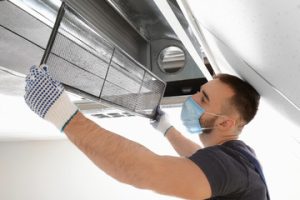
Commercial Air Duct Cleaning Services: Enhancing Workplace Air Quality and Productivity

Maintaining a clean and healthy work environment is essential for any business striving to maximize productivity and ensure employee well-being. One aspect of building maintenance that is often overlooked but plays a crucial role in workplace health is the cleanliness of commercial air ducts. Air ducts serve as the circulatory system of any HVAC (heating, ventilation, and air conditioning) system, transporting air throughout offices, warehouses, retail spaces, and other commercial environments. Over time, dust, debris, allergens, and other contaminants accumulate within these ducts, reducing indoor air quality and placing unnecessary strain on HVAC systems. Investing in professional commercial air duct cleaning services can not only enhance air quality but also improve operational efficiency, reduce energy costs, and create a more productive workplace environment.

A major benefit of professional Air Duct Cleaning Salt Lake City is the substantial improvement in indoor air quality. Commercial buildings often accommodate large groups of people in enclosed spaces, which can lead to the rapid circulation of dust, mold spores, bacteria, and other airborne pollutants if air ducts are not properly maintained. Poor air quality in the workplace has been linked to a variety of health issues, including respiratory problems, headaches, fatigue, and allergies. By having air ducts professionally cleaned, businesses can significantly reduce these pollutants, creating a healthier environment for employees and clients. Cleaner air not only supports physical health but also enhances cognitive function and overall productivity, as employees are less likely to experience fatigue or discomfort caused by airborne irritants.

air duct cleaning

In addition to improving health, air duct cleaning directly impacts the efficiency of HVAC systems. Over time, accumulated dust and debris in ducts can obstruct airflow, forcing HVAC units to work harder to maintain desired temperatures. This increased workload can lead to higher energy consumption, more frequent equipment breakdowns, and costly repairs. Regular cleaning removes these obstructions, allowing air to flow freely, which reduces energy usage and prolongs the lifespan of HVAC components. Businesses that prioritize this aspect of facility maintenance often notice a measurable decrease in utility bills and equipment downtime, contributing to cost savings over time.

Professional commercial air duct cleaning services employ specialized equipment and techniques that ensure thorough removal of contaminants. Technicians use high-powered vacuums, rotary brushes, and compressed air tools to dislodge and extract dust, dirt, and microbial growth from the ductwork. In many cases, sanitation treatments are applied to inhibit future mold and bacterial development, creating a cleaner and safer air circulation system. Businesses need to choose a reputable service provider that follows industry standards, as improper cleaning methods can potentially damage ductwork or disperse contaminants into occupied spaces.

Scheduling regular air duct maintenance is an essential part of any comprehensive facility management strategy. While the frequency of cleaning depends on several factors, including building size, occupancy levels, and the type of business, many commercial properties benefit from professional cleaning every three to five years. Certain environments, such as healthcare facilities, food service establishments, and manufacturing plants, may require more frequent interventions due to higher dust, moisture, or contaminant loads. Maintaining a proactive schedule ensures that air ducts do not reach a state of severe contamination, which can be costly to remediate and can have negative health consequences for building occupants.

One often overlooked advantage of clean air ducts is their contribution to employee productivity and morale. Poor indoor air quality can cause discomfort and health-related absenteeism, which directly impacts workflow and overall business performance. Employees who work in a well-maintained environment with fresh, clean air are generally more alert, comfortable, and engaged. This can translate into higher efficiency, better customer interactions, and reduced turnover. In environments where high levels of concentration or physical activity are required, such as offices with detailed technical work or manufacturing facilities, maintaining optimal air quality is particularly important for sustaining peak performance levels.

Businesses should also consider the reputational benefits of maintaining clean air systems. For companies that host clients, partners, or regulatory inspectors, the cleanliness of a building reflects the organization’s commitment to professionalism and care for occupant well-being. Commercial air duct cleaning can be promoted as part of an overall health and safety initiative, demonstrating to stakeholders that the company prioritizes hygiene and responsible building management. In an era where workplace wellness is a key component of corporate culture, such efforts can enhance brand perception and employee satisfaction alike.

When planning for commercial air duct cleaning, it is important to understand the components and processes involved. A typical cleaning process begins with a thorough inspection of the duct system, which may include cameras or other diagnostic tools to identify areas with excessive dust, mold, or blockages. The cleaning phase involves the use of high-powered vacuums and brushes to remove debris from the main ducts and branch lines. In some cases, antimicrobial treatments are applied to prevent the growth of mold and bacteria, and filters are replaced to maintain optimal filtration efficiency. After cleaning, a final inspection ensures that all areas have been addressed and that the system is functioning efficiently. This comprehensive approach ensures maximum improvement in air quality and system performance.

Enumerating the key benefits of commercial air duct cleaning can help businesses understand the tangible advantages:

  1. Improved Indoor Air Quality – Reduces airborne pollutants that can cause health problems, allergies, or discomfort.
  2. Enhanced HVAC Efficiency – Frees up airflow, decreases energy consumption, and reduces strain on equipment.
  3. Cost Savings – Lower energy bills and fewer equipment repairs lead to long-term financial benefits.
  4. Health and Productivity Boost – Fewer respiratory issues and sick days, leading to more consistent workforce performance.
  5. Positive Reputation and Compliance – Demonstrates commitment to workplace wellness and adherence to health standards.

In addition to these benefits, many businesses are discovering that air duct cleaning can contribute to sustainability initiatives. Efficient HVAC systems use less energy, which reduces the building’s carbon footprint. Minimizing dust and microbial growth also reduces the need for chemical treatments or frequent equipment replacements, aligning with environmentally conscious practices. For organizations aiming to meet green building standards or sustainability certifications, incorporating regular air duct cleaning is a practical and effective strategy.

It is important to note that commercial air duct cleaning should be part of a broader indoor air quality program. While duct cleaning addresses accumulated debris and contaminants, maintaining clean filters, ensuring proper ventilation, monitoring humidity levels, and scheduling routine HVAC maintenance are all complementary practices. Together, these steps create a holistic approach to air quality management, ensuring that employees and visitors enjoy a consistently healthy environment. Businesses that combine these practices with periodic duct cleaning see the most noticeable improvements in both air quality and operational efficiency.

In conclusion, commercial air duct cleaning services are more than just a routine maintenance task—they are an investment in workplace health, efficiency, and productivity. By removing accumulated dust, allergens, and microbial contaminants from ductwork, businesses can significantly enhance indoor air quality, reduce energy costs, and support employee well-being. Regular cleaning ensures HVAC systems operate efficiently, prevents costly repairs, and contributes to a positive work environment that promotes concentration, alertness, and overall morale. For organizations seeking to balance operational performance with employee health and environmental responsibility, commercial air duct cleaning is an essential component of a proactive facility management strategy.

Businesses that prioritize air quality demonstrate a commitment to the long-term success of both their employees and their operations. From cost savings to improved productivity and reputation, the benefits of maintaining clean ductwork extend far beyond the immediate health of the air being circulated. In an era where workplace wellness is directly linked to performance and satisfaction, professional air duct cleaning services offer a practical and impactful solution for businesses of all sizes. By making this service a regular part of facility maintenance, organizations can create an environment where employees thrive, clients feel confident, and operations run smoothly, ensuring both immediate and lasting returns on investment.