A kitchen can start feeling outdated long before the cabinets stop functioning properly. Scratches, faded finishes, worn colors, and years of daily use often make cabinets look tired even when the structure itself remains solid. Many homeowners immediately think about replacing cabinets, but full kitchen renovations can quickly become expensive and disruptive. This is why professional Cabinet Painting Sacramento has become such a popular option for homeowners who want a fresh and modern kitchen without the cost of a complete remodel.
Why Homeowners Choose Professional Cabinet Painting
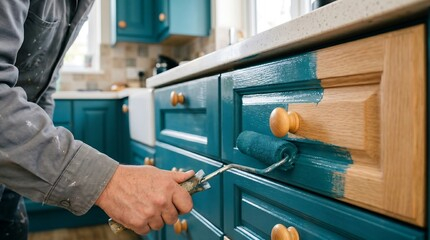
Professional cabinet painting offers a way to dramatically change the appearance of a kitchen without tearing everything apart. Cabinets occupy a large portion of the visual space in the room, so changing their color and finish can completely transform the atmosphere.
Many homeowners choose cabinet painting because it is significantly more affordable than cabinet replacement. Full replacement projects often involve demolition, plumbing adjustments, countertop removal, and major construction work. Cabinet painting, by comparison, focuses on updating the existing cabinetry while preserving the current layout and structure. Some sources estimate cabinet painting costs around $1,000 to $5,000 while full replacement can range much higher depending on materials and kitchen size.
Another reason homeowners prefer painting is speed. Professional cabinet painting projects are usually completed in a matter of days rather than weeks. This allows families to return to normal kitchen use much faster than they would during a full renovation.
The Difference Between Professional Painting and DIY
One of the biggest reasons professional cabinet painting is worth considering is the quality difference between professional and do it yourself results. Cabinet painting is far more detailed than painting walls because cabinets experience heavy daily use, moisture exposure, grease buildup, and repeated touching.
Professionals use extensive preparation methods including degreasing, sanding, repairing imperfections, priming, and applying cabinet grade finishes. These steps help create smoother surfaces and stronger adhesion that last much longer over time. Industry experts consistently emphasize that proper preparation is essential for preventing peeling, chipping, and uneven finishes.
Professional painters also often use spray systems that create a factory like finish. Spray applications generally produce smoother and more consistent surfaces compared to standard brushes or rollers. According to professional painting guidance, spraying cabinets can provide more even coverage and a more refined appearance than hand painting alone.
DIY projects may save money initially, but rushed preparation or low quality materials can lead to visible brush marks, peeling paint, or surfaces that wear down quickly. In many cases, homeowners eventually hire professionals to correct failed DIY work, which increases overall costs later.
Durability of Professionally Painted Cabinets
One of the most common concerns homeowners have is durability. Kitchens are high traffic spaces where cabinets are constantly exposed to moisture, heat, grease, and repeated use. Fortunately, professionally painted cabinets can last many years when high quality materials and techniques are used.
Several sources note that professionally painted cabinets may remain in good condition for anywhere from 7 to 15 years depending on use and maintenance. The durability comes from the combination of cabinet grade coatings, strong primers, careful curing, and proper surface preparation.
Professional painters also use paints specifically designed for cabinetry rather than ordinary wall paint. Cabinet paints are formulated to resist scratches, stains, moisture, and repeated cleaning much more effectively. Experts warn that standard wall paint lacks the durability needed for high touch cabinet surfaces.
Proper maintenance also affects durability. Gentle cleaning, moisture control, and avoiding harsh chemicals help preserve painted cabinets for many years.
Professional Cabinet Painting and Home Value
Professional cabinet painting can also improve buyer appeal and help increase home value. Kitchens strongly influence how buyers perceive a home because they are often one of the most expensive rooms to renovate. Freshly painted cabinets create a cleaner and more modern appearance that makes kitchens feel move in ready.
Neutral cabinet colors such as white, soft gray, and warm greige remain especially popular because they appeal to a broad range of buyers. Real estate and remodeling sources frequently note that updated cabinets help kitchens appear brighter and more attractive during home showings.
Professional painting also signals that the home has been maintained properly. Buyers often react positively to kitchens that look refreshed without obvious signs of wear or outdated finishes. While cabinet painting alone may not drastically raise appraised value, it can improve marketability and help homes sell more quickly.
When Professional Cabinet Painting Makes Sense
Professional cabinet painting is usually worth it when the cabinets themselves remain structurally solid. Many older kitchens contain high quality wood cabinets that are stronger than some modern budget cabinetry. If the cabinet boxes, doors, and layout still function well, painting offers an affordable way to modernize the kitchen without replacing everything.
Painting is especially worthwhile for homeowners who want to improve appearance while staying within a moderate renovation budget. It is also ideal for people preparing to sell their home and wanting to improve kitchen presentation without committing to a full remodel.
Homeowners who plan to remain in their property for several more years often find cabinet painting worthwhile because it creates a more enjoyable and updated living space without major disruption.
Situations Where Painting May Not Be Worth It
Although professional cabinet painting offers many benefits, it is not always the right solution. Cabinets with severe water damage, warped wood, peeling laminate, or poor structural integrity may not respond well to painting. Experts often caution that painting damaged or low quality cabinets may only provide temporary cosmetic improvement.
Painting also does not solve layout problems. If the kitchen lacks storage, has inefficient cabinet placement, or requires major design changes, replacement may provide better long term value.
In some cases, cabinet refacing or replacement may offer longer durability. Some remodeling comparisons suggest refacing can outlast painting significantly because it replaces cabinet doors and exterior surfaces entirely. However, painting remains far more affordable upfront for many homeowners.
Choosing the Best Cabinet Paint Finish
The finish selected for cabinet painting affects both appearance and durability. Satin and semi gloss finishes are among the most popular because they balance cleanability with modern appearance. Semi gloss finishes are especially durable and easier to wipe clean, making them common choices for kitchens and bathrooms.
Matte finishes have become popular in contemporary kitchens because they create softer and more sophisticated surfaces. However, they may require slightly more maintenance because fingerprints and oils can become more noticeable over time.
Professional painters also carefully choose between water based and oil based products depending on the desired finish and durability requirements. Oil based enamels are often praised for their smooth appearance and durability, while modern water based cabinet paints offer easier cleanup and reduced yellowing over time.
The best finish depends on kitchen style, lighting conditions, and maintenance preferences.
Time and Convenience Advantages
One overlooked benefit of professional cabinet painting is convenience. Full kitchen remodels can leave homeowners without functional kitchens for weeks. Cabinet painting usually causes far less disruption while still producing dramatic visual improvement.
Professional teams often complete projects within several days depending on kitchen size and drying requirements. Homeowners avoid demolition dust, plumbing interruptions, and the stress associated with large construction projects.
Because the cabinet layout remains unchanged, there is also less risk of unexpected renovation complications. This makes painting especially attractive for homeowners who want visible improvement without major lifestyle disruption.
Long Term Value of Professional Work
Professional cabinet painting is often worth the investment because of the combination of durability, visual transformation, and cost savings compared to replacement. High quality professional finishes create kitchens that feel modern and refreshed without requiring complete renovation.
The long term value becomes even more noticeable when homeowners maintain the cabinets properly. Regular cleaning, moisture control, and gentle use help preserve painted surfaces for many years. Professionally painted cabinets can continue looking attractive long after lower quality DIY finishes would begin peeling or wearing down.
For homeowners seeking a balance between affordability and meaningful visual improvement, professional cabinet painting often provides one of the strongest returns among kitchen upgrades.
Conclusion
Professional cabinet painting is absolutely worth considering for homeowners who want to modernize their kitchen without the expense and disruption of full cabinet replacement. When completed correctly, professional painting provides smooth finishes, strong durability, and a dramatic visual transformation that can last for many years.
The process offers significant cost savings compared to replacement while still improving kitchen appearance and buyer appeal. Proper preparation, cabinet grade materials, and professional application techniques make a major difference in both durability and final appearance.
While painting may not solve severe structural problems or outdated layouts, it remains one of the most practical and cost effective ways to refresh a kitchen. For many homeowners, professional cabinet painting delivers the perfect balance between affordability, beauty, and long term value.