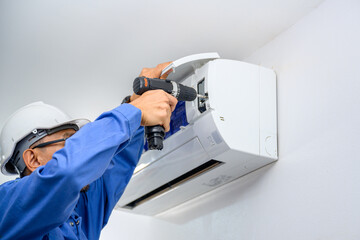
Installing a new air conditioning system is one of the most important comfort upgrades a homeowner can make, especially in hot and humid climates where indoor cooling is essential for daily living. While many people think of AIR CONDITIONING INSTALLATION MILFORD OH as a single appointment where a technician shows up and swaps out equipment, the reality is more involved.
A proper installation is a structured process that combines planning, sizing, equipment selection, careful setup, and final testing. When each stage is handled correctly, the system runs efficiently, cools consistently, lasts longer, and provides better indoor air quality. Understanding the step by step process helps homeowners know what to expect and why each phase matters.
Step One: Home Evaluation and System Assessment
The installation process begins with a detailed evaluation of the home. A professional contractor needs to understand how the home is built, how air moves through it, and what cooling challenges exist. This assessment often includes checking the square footage, ceiling heights, insulation levels, window placement, and sun exposure. The goal is to determine what cooling capacity is actually needed, rather than relying on guesswork.
At this stage, the installer may also evaluate the existing HVAC system if one is already installed. They check the condition of ductwork, electrical service, thermostat wiring, and the location of the current indoor and outdoor units. If the project is a replacement, they also consider whether the existing system was properly sized or if it struggled with uneven temperatures, humidity control, or high energy bills.
This evaluation is important because it influences every decision that follows. A system that is too large may cool quickly but fail to remove enough humidity, leading to clammy indoor air and short cycling that wears down components. A system that is too small may run constantly, still not reach the desired temperature, and increase energy costs. Correct sizing begins with a thorough evaluation.
Step Two: Load Calculation and Equipment Sizing
After the home evaluation, the contractor performs a cooling load calculation. This calculation estimates how much heat the home gains from the sun, occupants, appliances, and outdoor air infiltration. It also accounts for how well the home retains cool air based on insulation and air sealing. The goal is to identify the correct system capacity, typically measured in tons or BTUs.
Load calculations are essential because they reduce the risk of oversizing or undersizing. They also help determine whether additional improvements, such as sealing ducts or adding insulation, could reduce the cooling load and allow a smaller, more efficient system. In modern HVAC practice, correct sizing is considered one of the biggest factors in system performance and long term reliability.
Once sizing is determined, the contractor can recommend equipment options that meet the home’s needs. This includes considering efficiency ratings, cooling stages, and the type of system that fits the space and budget.
Step Three: Selecting the Right Air Conditioning System
Choosing the right air conditioning system involves more than picking a brand. Homeowners typically decide between central air conditioners, ductless mini split systems, and heat pump based systems that provide both heating and cooling. The final selection depends on whether the home already has ductwork, the layout, and comfort goals.
Efficiency is also a major factor. Systems with higher efficiency ratings can cost more upfront but often reduce monthly energy bills, especially in regions where air conditioning runs frequently. Many homeowners also consider features like variable speed fans, multi stage compressors, and enhanced humidity control for better comfort.
Noise levels, warranty coverage, and the availability of replacement parts may also influence selection. A reputable contractor explains the benefits and tradeoffs of each option, helping the homeowner choose a system that balances comfort, efficiency, and long term value.
Step Four: Planning the Installation and Preparing the Work Area
Before installation day, the contractor plans the layout and logistics of the project. This includes confirming equipment placement, ensuring access to the indoor air handler or furnace area, and verifying that the outdoor unit will be positioned properly for airflow and service access.
Preparation also includes protecting the home. Installers typically cover flooring, protect walls, and set up work areas to reduce dust and mess. If the job involves replacing existing equipment, they also plan for safe removal and disposal of old units.
This step is important because it prevents delays during installation. It also ensures the system will be installed according to code and manufacturer specifications, which directly affects performance and warranty compliance.
Step Five: Removing Old Equipment if Replacing a System
If the project is a replacement, the old air conditioning equipment must be removed. This is done carefully to avoid damaging surrounding components like ductwork, electrical connections, and refrigerant lines. The contractor typically recovers old refrigerant using proper equipment rather than venting it, since refrigerants require regulated handling.
The indoor coil, outdoor condenser, and sometimes the air handler or furnace connections may be removed depending on what is being replaced. Once removed, the installer inspects the area for issues such as water damage, corrosion, or airflow restrictions that should be addressed before new equipment goes in.
Proper removal is not just a demolition step. It sets the stage for a clean installation and prevents leftover issues from affecting the new system.
Step Six: Installing the Indoor Unit and Air Distribution Components
The indoor portion of an air conditioning system may be an evaporator coil installed on top of a furnace, an air handler for an all electric system, or a ductless indoor head if it is a mini split setup. Installation includes securing the unit, connecting it to the duct system or air distribution pathway, and ensuring condensate drainage is properly routed.
Condensate management is a critical detail. As the system cools air, it removes moisture, which must be drained safely away from the home. Improper drainage can cause leaks, water damage, and mold risks. Installers typically install a drain line with proper slope, and in some cases a condensate pump if gravity drainage is not possible.
Airflow components such as filters, return air pathways, and duct transitions are also checked. Good airflow is essential for efficiency and consistent cooling.
Step Seven: Installing the Outdoor Unit and Setting the Pad
The outdoor condenser unit must be installed on a stable base, often a concrete or composite pad. The unit is positioned to allow proper airflow and to reduce noise impact. Installers also consider clearance from walls, shrubs, and fences to ensure the system can breathe and be serviced easily.
Once placed, the outdoor unit is secured and connected to the indoor unit via refrigerant lines and electrical wiring. The refrigerant line set is typically insulated to prevent energy loss and to reduce condensation. Careful routing and protection of lines helps prevent damage and improves reliability.
This step may also include installing vibration isolators or noise reduction measures depending on the home’s layout and local considerations.
Step Eight: Electrical Connections and Safety Checks
Air conditioning systems require proper electrical connections to operate safely. Installers connect the system to the home’s electrical service, often using a dedicated breaker and disconnect box near the outdoor unit. They verify that wiring meets code and that the electrical load is appropriate for the system.
Thermostat wiring is also checked and upgraded if needed. Many modern systems benefit from smart thermostats or advanced controls that improve comfort and efficiency. Proper thermostat setup ensures the system runs as intended and communicates correctly with multi stage or variable speed components.
Electrical safety checks are performed before the system is powered on. This reduces risk of shorts, component damage, or hazards to occupants.
Step Nine: Refrigerant Line Evacuation and Charging
One of the most important technical steps in air conditioning installation is refrigerant line evacuation and charging. Before refrigerant is introduced, installers use a vacuum pump to remove air and moisture from the refrigerant lines. This protects the system from contamination that can cause poor performance or compressor failure.
After evacuation, the system is charged with the correct amount of refrigerant based on manufacturer specifications. Proper refrigerant charge is essential. Too little refrigerant leads to poor cooling and can damage the compressor, while too much refrigerant can reduce efficiency and cause operational issues.
Installers also check for leaks and ensure pressures and temperatures align with expected performance ranges.
Step Ten: System Start Up, Testing, and Performance Verification
Once installation is complete, the system is started and tested. Technicians verify that air is flowing properly through vents, that the thermostat controls the system accurately, and that the condenser and indoor components run smoothly.
Performance testing often includes measuring temperature drop across the coil, checking refrigerant pressures, verifying blower settings, and confirming proper condensate drainage. The goal is to ensure the system is operating within specifications and delivering consistent comfort.
If any adjustments are needed, this is the stage where they are made. A careful start up and testing phase is one of the main differences between a quick installation and a high quality installation.
Step Eleven: Homeowner Walkthrough and Maintenance Guidance
A professional installation ends with a walkthrough. The installer explains how to operate the thermostat, how to change or clean filters, and what signs to watch for that might indicate a problem. They may also provide recommendations for maintenance schedules and service intervals.
Understanding basic care helps homeowners protect their investment. Regular filter changes, keeping outdoor units clear of debris, and scheduling seasonal maintenance all contribute to system efficiency and longevity.
The walkthrough also gives homeowners confidence that the system is installed correctly and that they know how to use it effectively.
Final Thoughts on the Air Conditioning Installation Process
Air conditioning installation is a step by step process that combines technical expertise with careful planning. From the initial home evaluation and load calculation to equipment placement, refrigerant charging, and final testing, each stage plays a direct role in system performance. When done properly, installation results in better comfort, lower energy costs, and longer system life.
For homeowners, understanding the process helps set realistic expectations and highlights why professional installation matters. A well installed air conditioner does more than cool the air. It supports healthier indoor conditions, consistent temperatures, and reliable operation through years of daily use.